


Blog
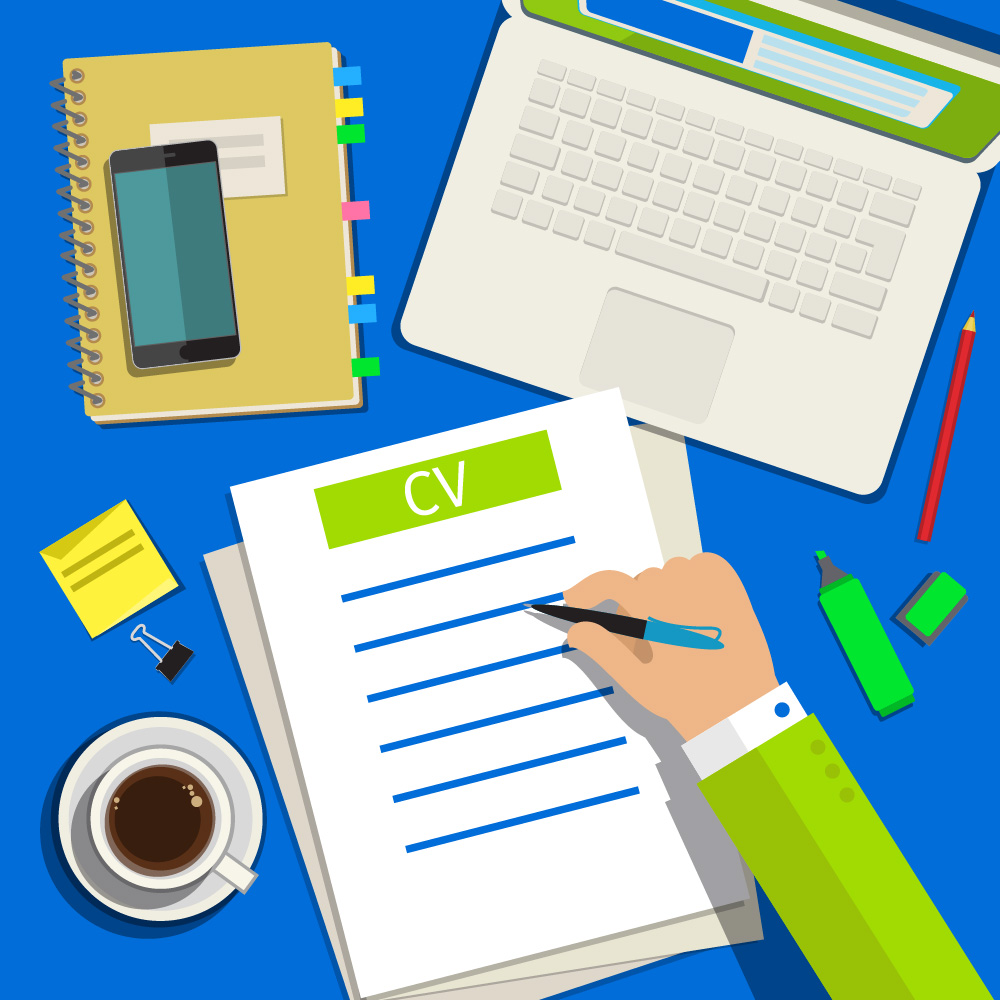
Writing a CV can be challenging if it is the first time or overdue a review. Using the following steps and tips may help you get to the front of the interview queue.
A CV has many purposes but its main aim is to get you an interview, therefore, keeping it up to date and current is always good practice in case your dream job arrives out of the blue. Job adverts and businesses come in all shapes and sizes and its true to say that there is no one size fits all in the CV world. Whist you may have an 'all singing all dancing' CV it is not much use if does not meet the criteria for the role you are applying for. You should always review a job advert / vacancy and tailor your CV accordingly. Whilst you might have the right skills for several roles, how you communicate those skills in your CV might make the difference between being offered an interview or being rejected.
What should you include in a CV?
1. Personal details - Who you are?
As strange as it may sound people do forget to include their name, address, email and contact number when writing a CV. To help avoid this, always use this as your starting point and make sure its periodically checked - is the email address your current one, have you recently changed your mobile number etc. TIP: Date of birth, driving licence details and national insurance number are not required at this point unless it is a stipulation of the role.
2. Personal statement - Paint a picture
This is all about getting the reader's attention, it is the first thing someone will read about you and it can make the difference from staying in an in-tray rather in the bin. Your personal statement is about you selling yourself as a future employee and how do you stand out from the next candidate. It tells the reader who you are, how you can make a difference and what you can offer. TIP: Aim to complete your personal profile as a paragraph with between 3 to 5 sentences.
3. Work experience - Share your work experience
This section should catalogue all your work experience to date, start with your most current job and work back, include your job title, employer, from and to dates and your responsible duties. Aim to focus on roles that help meet the requirements of the job you are applying for even if they are not your most recent. Sharing your work experience is about demonstrating the transferable skills you have that can match the role requirements. Ensure you cover gaps, even if you were out of employment for whatever reason. Most employers will check work history as part of referencing and any inaccuracy may result in your integrity being questioned. TIP: Do not avoid employment history even if you are uncomfortable sharing it for whatever reason, if it is identified later it may become more difficult to explain.
4. Achievements - Sell yourself
This is your opportunity to really focus on how you can bring value to the role, how you may have overcome challenges, how you have demonstrated leadership and team work and how you were integral in delivering results. Use real examples for each achievement, state the facts and do not over embellish.
TIP: Achievements are a good starting point for interview questions from an employer so be prepared to talk through each one in more detail if asked.
5. Education:
Your educational achievements should be listed noting dates, subjects, qualifications and / or the grades you achieved. This is also a good place to note any further training or work-related courses you have attended. TIP: Always check work related certificate training as these might be time limited or have expired.
6. Hobbies and interests:
It is not necessary to include hobbies and interests, but it could help as a talking point at an interview. Remember anything on a CV is part of the CV and therefore this section can still be used to demonstrate your character and potential fit within an organisation. TIP: Avoid things like socialising with friends or going to the pub. If it is not adding value, then don't include it.
How should I layout my CV?
Your CV is likely to be your initial communication with a recruiting manager, it is the first thing they will see about you and it is your written introduction to them. Recruiting managers review many CV's and over time they will have developed their own way of first stage filtering, keeping your CV succinct, positive and in a good order could keep it away from the bin. The following checks should help:
- Do not bore the reader, be concise, two sides of A4 is enough.
- Choose a professional font. Going too big will suggest you do not have enough to fill the space so reduce the font and expand the detail, going to small it could be a struggle to read. TIP: Arial font size 11 is a good starting point.
- Use logical steps and allow the CV to flow. Starting with your name, personal profile, career history, achievements and education etc will be a standard used by many and this may help if the recruiting manager is sifting through large numbers of CVs.
- Use positive words and promote yourself. Remember to review the job advert and where necessary use the same words or phrases rather that your own that might mean the same thing, it demonstrates you are in line with the advertised role.
- Check your grammar and spelling thoroughly TIP: Use English spell check rather than US.
Add a comment:
Call us today to advertise your job vacancy on 0330 223 5153
Contact
Together Recruit
International House
61 Mosley Street
Manchester
M2 3HZ
Socials


© Together Recruit 2021. All Rights Reserved. | Web Design by Cloud Web Solutions